They’ve been ordered to address the lawsuit
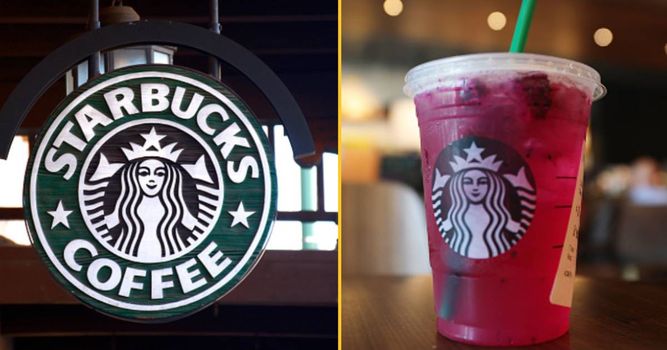
Starbucks have been ordered by a federal judge to address a lawsuit which claims their fruit brand drinks don’t contain any fruit.
The coffee company initially attempted to have nine of the 11 lawsuit claims dismissed however a judge has since argued that “a significant portion of reasonable consumers” would expect their drinks to contain the fruit mentioned in the drink’s name.
Two of the complainants, Joan Kominis and Jason McAllister, highlighted how the names of particular Refresher drinks compared to their actual ingredients.
Kominis and McAllister complained that Starbucks’ Mango Dragonfruit, Mango Dragonfruit Lemonade, Pineapple Passionfruit, Pineapple Passionfruit Lemonade, Strawberry Açai and Strawberry Açai Lemonade Refreshers did not contain mango, passion fruit or açai.
In the lawsuit, the pair claim that the main ingredients of the drinks were water, grape juice concentrate, and sugar.
They argue that the names are thus misleading, cause them to be overcharged, and allegedly violate their states’ consumer protection laws.
Starbucks have argued the name of the drink refers to the flavour as opposed to the ingredients.
They also claim that reasonable consumers would not be confused and baristas could “sufficiently dispel” any confusion.
Manhattan District Judge John Cronan, however, has said: “Nothing before the court indicates ‘mango’, ‘passionfruit,’ and ‘açai’ are terms that typically are understood to represent a flavor without also representing that ingredient.”
The judge also argued that some consumers could expect the Refresher drinks to contain the fruit mentioned in their title as other Starbucks products, such as the Ice Matcha Tea Latte contains matcha, and the Honey Citrus Mint Tea contains both honey and mint.
Out of 11 claims against Starbucks in total, Judge Cronan dismissed two. For one of the claims dismissed, the judge said that there was no proof to suggest that Starbucks had intended to defraud customers. The second dismissed claim was for the strategy being an unjust enrichment claim.
Starbucks have since issued a statement on the lawsuit saying that they look forward to defending themselves.
Related links:
- White Starbucks manager wins $25m payout after staff refused bathroom access to two black men
- Actor who went back to working at Starbucks after starring in movie wins an Oscar
- Starbucks worker breaks down in tears after they’re scheduled to work 8 hours