The plans have been confirmed by the prime minister
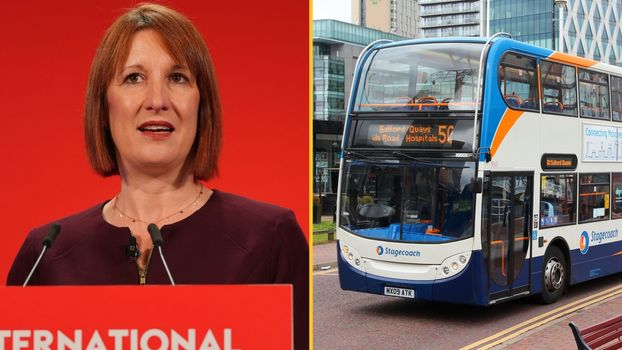
The government is going to scrap the nationwide the £2 bus fare cap in this week’s Budget, raising it to £3.
On Wednesday, Chancellor Rachel Reeves will set out the government’s spending plans as she delivers the first Labour Budget since March 2010.
The Chancellor has warned spending cuts and tax rises will be required, and it seems like one of the plans to raise funds is to scrap the £2 bus fare cap across the UK.
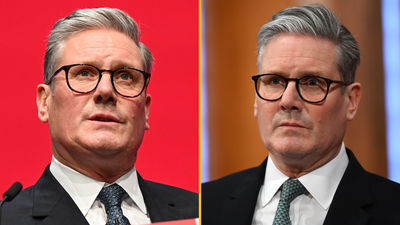
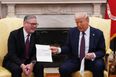
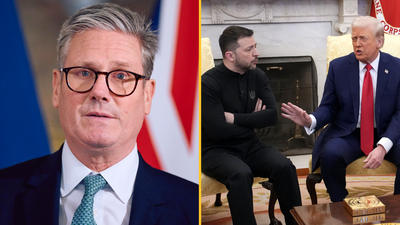
On Monday, Prime Minister Sir Keir Starmer confirmed the bus fare cap would be raised by 50 per cent to £3.
He said: “I do know how much this matters, particularly in rural communities where there is heavy reliance on buses.”
The bus fare cap has been in place across England since January last year, when it was introduced by the Conservative government, and is due to expire in December.
The £3 will run until the end of 2025.
Reports had suggested before the PM’s announcement that the cap would be scrapped altogether, prompting fears some routes would see fares rise by rise by £10 or more.
The Mirror reported that leaked research over the weekend suggested that for every £1 spent by the government on the policy, between 71p and 90p is generated in benefits. This makes the measure “not financially viable” for taxpayers or bus operators, the Department for Transport concluded.
There was huge backlash to the reports of the cap potentially being abolished.
Critics argue abolishing the £2 cap will stop people from using public transport, and that the policy was key in helping people with the cost of living.
Emily Yates, co-founder of the Association of British Commuters, told the Mirror that rural locations would be worse-hit if the cap is scrapped.
She said: “This would have a huge impact on rural areas. Yet, these are exactly the areas that have suffered most due to decades of declining bus services; causing poverty, forced car ownership and social isolation.
“The £2 bus cap was a vital intervention to prevent further cuts to bus services and declining passenger numbers, so it’s essential we retain it. In fact, we need to see significantly more funding allocated to local authorities to support their routes.”
There’s been a strong public reaction as well, with a petition set up calling for the government to keep the £2 far cap in place.
At the time of writing, almost 60,000 have signed the petition.
Sharing the petition on social media, one person said: “The £2 bus fare makes work possible for thousands of us who live in rural areas. Please sign and share.”
Another said: “Will be sad if the £2 bus fare is scrapped, not just an incentive to use buses outside London, but was a rare example of something that made life for consumers unequivocally simpler.”
Someone else asked: “How would this ‘fix the foundations’ of the economy?”
In the three months since Labour won a landslide at the general election, there’s been much speculation about what the Budget will contain.
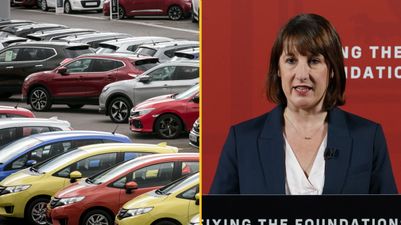
Expected to be billed as “Fixing the Foundations to Deliver Change,” both Reeves and Prime Minister Keir Starmer have spent weeks warning the public about a huge “£40bn black hole” in public finances.
The Prime Minister has promised the Budget will “help Britain to get working,” writing in a post on social media that it will “pave the way for reforms that tackle the root causes of economic inactivity, so those who can work, will work.”
Chancellor Rachel Reeves will deliver the Budget to the House of Commons on Wednesday, October 30.