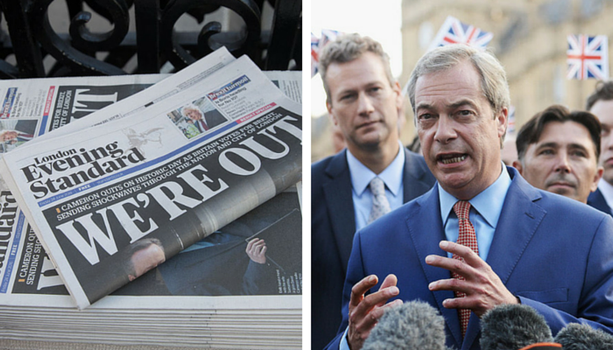
The UK is divided in the wake of our decision to leave the European Union, here Rowanne Westhenry proposes a five-step plan for bringing the country back together after a divisive campaign from both sides.
1) Calm Down
It is OK to be angry and upset but ultimately we are not going to achieve anything by calling everyone who voted to Leave a “stupid racist idiot”. Undoubtedly there are people out there who are racist and uneducated, but isolating them from the discussions as to what we do next by sinking to these levels of insults is not helpful.
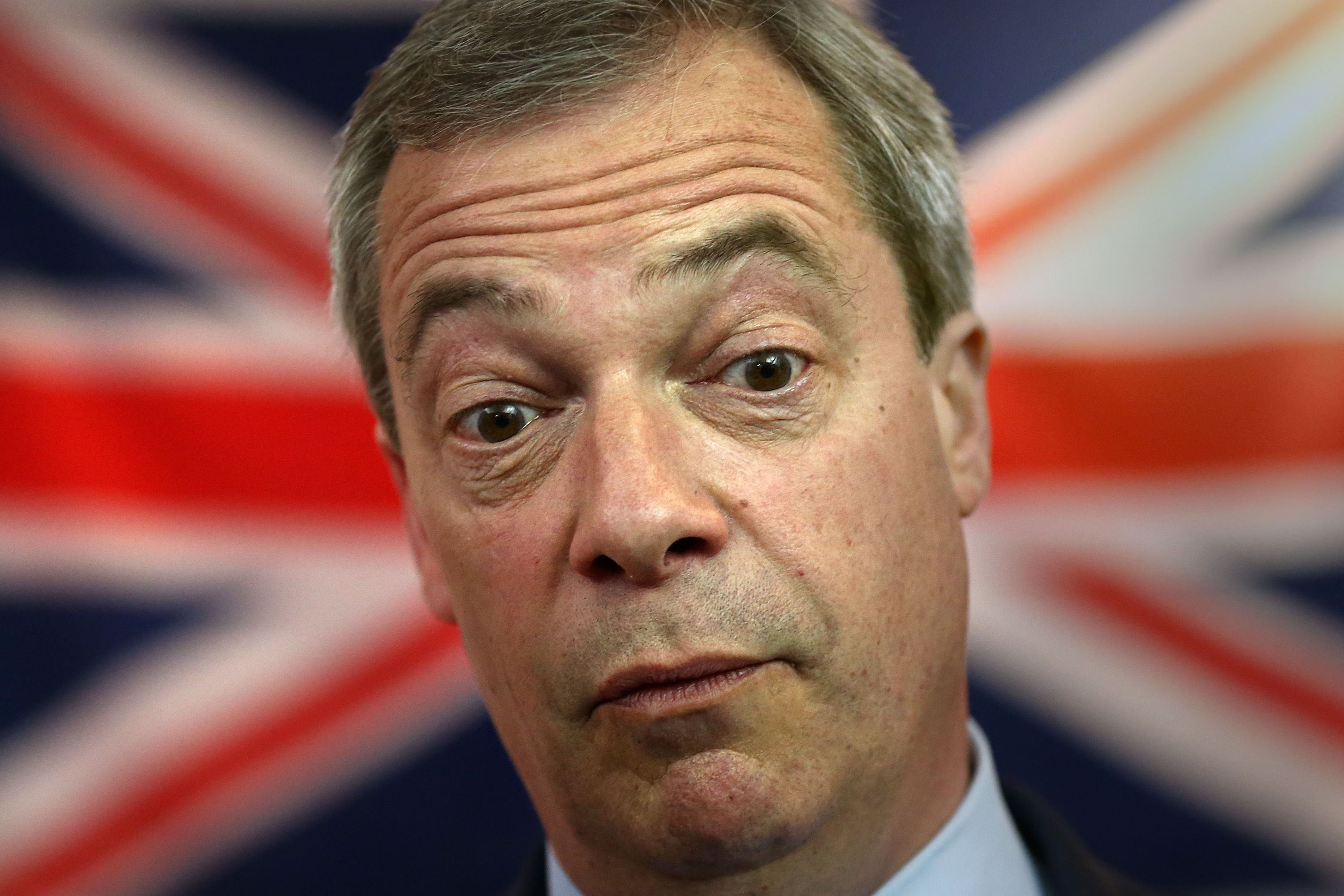
The markets look terrifying at the moment, but this result was a shock to the system for everyone, even Nigel ‘odious toadious’ Farage. Without a coherent strategy, which is impossible to come up with while everyone is bickering and name calling, things will not get better. That doesn’t mean that they can’t.
2) Talk to each other
And not just in an “aren’t other people bastards?” way. Discuss solutions and strategies as to how to mobilise this extraordinary engagement with the democratic process and rejection of the status quo in favour of progressive outcomes. This means finding progressives of all political colours and uniting with them to form a coherent consensus. Caroline Lucas has called for unity and a step up in campaigning for proportional representation in the Huffington Post, while Diane Abbott has written for the Guardian about Labour’s need to unite behind their leader, who is the only senior political figure who has proposed progressive solutions to the crises we are facing. This is crucial.
3) LISTEN to the Leave voters
The campaign on both sides pointed the finger at immigration for this, but I’d wager that a large proportion of Leave voters don’t believe the scapegoating. They aren’t angry at immigrants, they are angry at the system that strangled their communities and left them to the economic vultures.
Former industrial areas have been decimated by decades of neoliberal economics, and there is a generation of young people whose standard of living and life chances are well below those that their parents enjoyed. Lack of investment in public infrastructure has seen schools become overcrowded, libraries and community centres shuttered, and NHS services pushed to breaking point.

Privatisation initiatives have seen prices rise while standards fall across all sectors, most notably on the railways. Social housing schemes have been sold off, leaving millions of people paying unaffordable rents to landlords who are given tax breaks. Wages have been suppressed while prices for goods and services have risen, and the decimation of the unions has fractured the ability of the employed to barter for a better deal. The social security system has been stripped back to its bare bones and the unemployed, working poor, and disabled have been told that they are just not trying hard enough to deserve anything more than a precarious existence. All of this is in the face of a government who keep trotting out the line that austerity is a necessity, while the bankers who caused the last big recession award themselves bonuses every year.
No wonder people are angry.
4) Engage with people
People have been crying out for decades for political engagement on the level that we have seen in this referendum. Progressives have a genuine opportunity to capitalise on the anger and disillusionment felt by a solid half of the population by creating a clear, coherent message directing them towards the real cause of their troubles. Leave voters were willing to risk everything because they perceived that they had very little to lose: Progressive voices must take this chance to show them what they can gain and how they can contribute to making those gains by educating, organising and mobilising a campaign of reform which addresses the root causes of inequality.
5) If you voted Remain – Take heart that the result was not resounding
Yes, this result has exposed a clear division in our country, but the first step to solving a problem is admitting that it exists. If the result had been reversed and Remain had won by such a narrow margin, the issues that have bred so much resentment among large swathes of the population would have been swept under the rug to fester until another flashpoint brought them to the fore. Now it is clear that they need to be addressed in order for us to move forward as a United Kingdom. In doing so, we have an opportunity to define who we are and we stand for as a nation through popular consensus. This is a chance to change things for the better.